
Product
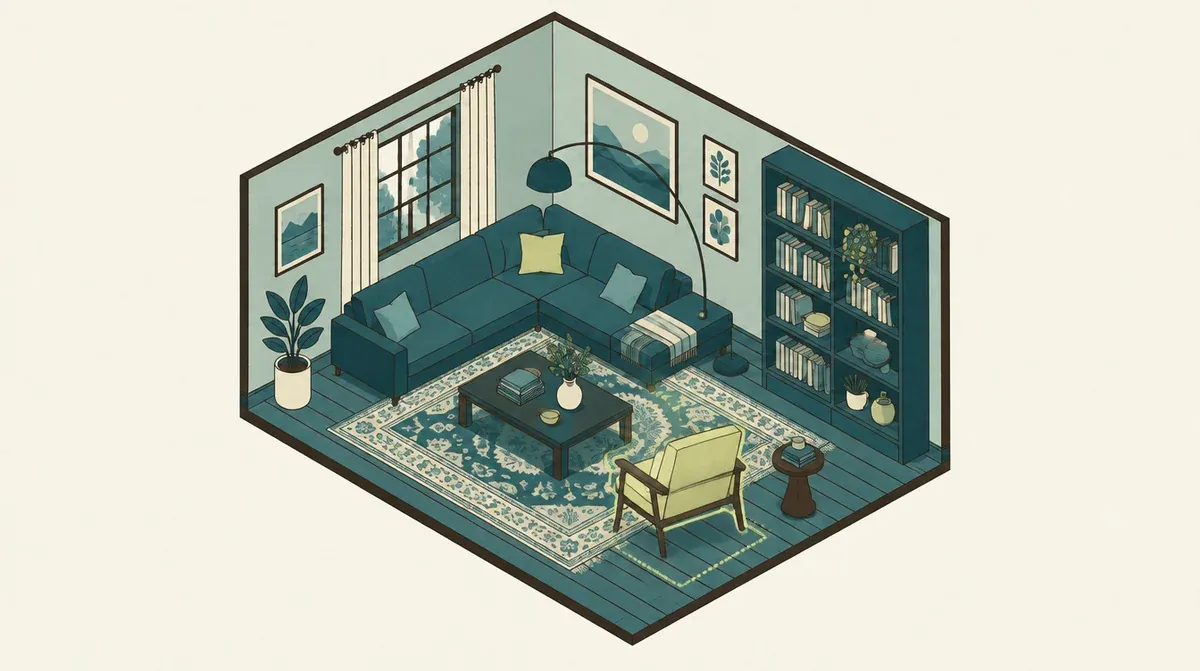
Your products, standing in the shopper's own room.
The shopper photographs the room. Arbuz returns that photograph with your pieces in it, at the size the room's measurements say they are.
What it is
Furniture is bought on a question a product photograph cannot answer: will it work here. Scale, proportion, and how a piece sits against what is already in the room decide the purchase, and none of them survive a white-background product shot.
Room visualization answers that question in the shopper’s own room rather than a styled set. The references are your own product images, so the piece on screen is the piece that ships.
See it on a real catalog.
Thirty minutes, against products the team already sells.
What it needs from you
- Product photography clear enough to read as a reference. What is already on your product pages is usually enough.
- Dimensions on the product record, so scale is taken from data rather than guessed.
What it does not do
- There is nothing for the shopper to install. It runs in a modern phone browser.
- A piece carrying no dimensions cannot be placed to scale, so the catalog record sets the ceiling on quality.
Next in the system
Room ScanningA short pass on a phone camera returns a measured plan: room type, width, length, floor area, wall lines, doors and windows.3D GenerationA catalog photograph is enough to produce a model of the piece, scaled to the dimensions already on its record.Room CompletionA shopper who has chosen a sofa has not finished furnishing a living room. Room completion answers the rest of that question, from the catalog you already sell.