Built for furniture and home décor retail.

Vertical, not horizontal. Arbuz runs on the retailer own catalog, brand and merchandising rules, and it is built around how rooms are actually sold.

01

Furniture retailers

A showroom floor sells the room. The product page sells the piece. Room completion puts the floor conversation back on the site, using the assortment already in stock.

  • Coordinated rooms built from the catalog you already sell
  • Pieces suggested only when the catalog reports them in stock
  • One cart, one total, through your existing checkout

A warm furniture showroom floor with cream sofas and armchairs arranged around walnut tables on layered rugs

02

Home décor retailers

Décor is bought for a room, not on its own. A vase, a cushion or a framed print is judged by what it sits beside, which is exactly what a product grid removes.

  • Décor shown in the room it belongs to
  • Complementary pieces surfaced from your own live catalog
  • Smaller items reached through the room rather than through search
Home décor styled on oak shelving: ceramic vases and bowls, stacked linen cushions, framed art, woven baskets and plants

03

Rug and lighting retailers

Rugs and lighting are the hardest categories to judge from a photograph, because both are decided by scale and by the room around them.

  • Rugs sized against a measured floor rather than guessed
  • Lighting seen in the room it is meant to finish
  • Pieces placed only where the plan says they fit
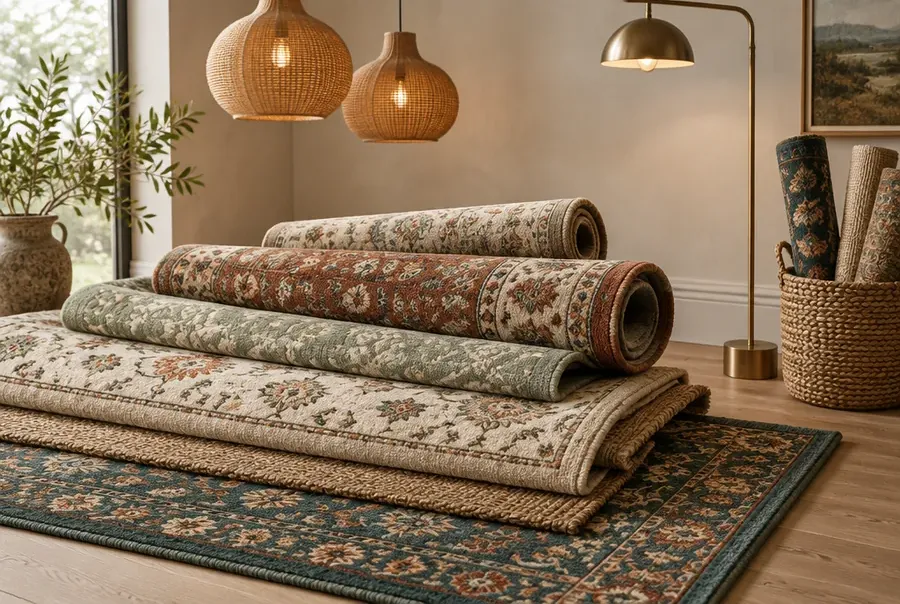
Layered wool and jute rugs stacked on a pale oak floor beside warm pendant lamps and a brass floor lamp

See it on your own assortment.

Thirty minutes, against the products and rooms your customers already shop.

Book a demo