
Product
The room, measured before anything is placed in it.
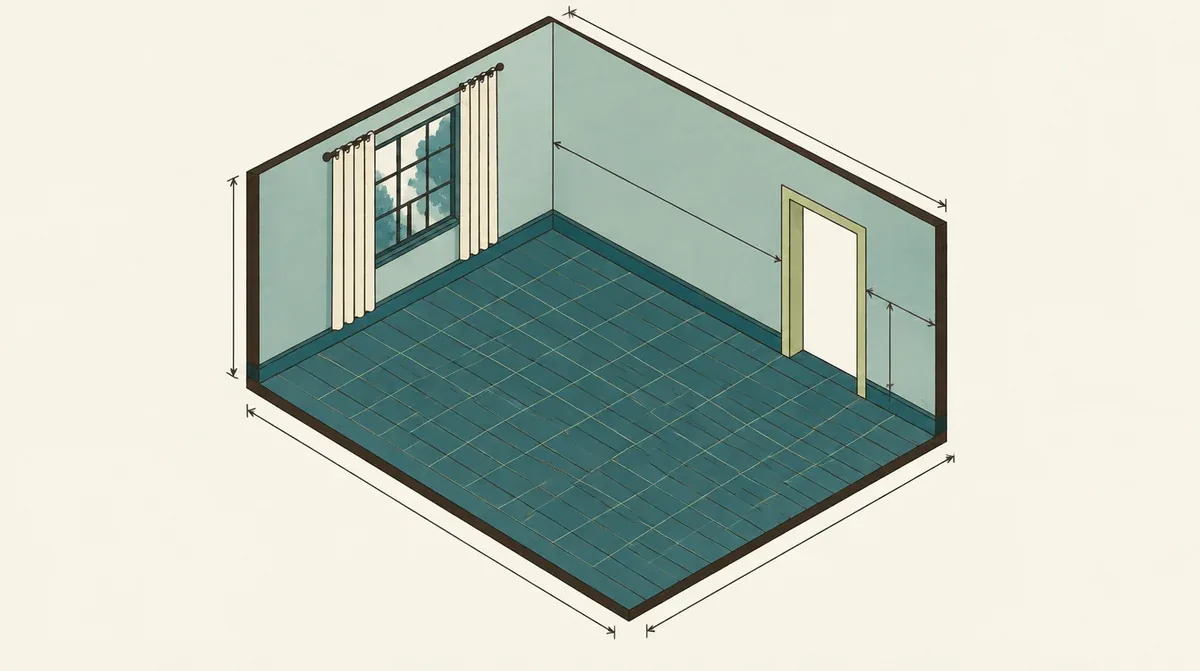
A short pass on a phone camera returns a measured plan: room type, width, length, floor area, wall lines, doors and windows.
What it is
A recommendation that ignores the room is a guess. A sofa that does not fit, a wardrobe in front of a window, a chair standing where the door opens: each one costs the confidence the rest of the experience was built to earn.
Room scanning is what makes placement answerable. It turns a short video of a real room into geometry that every later stage can be checked against.
See it on a real catalog.
Thirty minutes, against products the team already sells.
What it needs from you
- A phone with a working camera and a modern browser.
- A short moment of the shopper’s attention, which is the one thing the experience asks of them.
What it does not do
- Scanning is a means rather than the product. It runs when the experience needs real dimensions and stays out of the way when it does not.
- It reports what it can see. A room captured from the doorway in one frame gives less to work with than a slow pass around it.
Next in the system
Room VisualizationThe shopper photographs the room. Arbuz returns that photograph with your pieces in it, at the size the room's measurements say they are.Arbuz agentsPractical AI assistance for your sales, products, marketing, and everyday operations, with your team in control. For furniture retailers, manufacturers, wholesalers, and designers.Room CompletionA shopper who has chosen a sofa has not finished furnishing a living room. Room completion answers the rest of that question, from the catalog you already sell.